Overdentures vs Fixed Implant Bridges: Choosing the Right Tooth Replacement
Missing teeth affect how you eat, speak, and feel about your smile. For patients in Norfolk, dental implants offer two strong options: overdentures and fixed implant bridges. Both provide support, stability, and improved oral health compared to traditional dentures. Understanding the difference helps you choose the best solution for comfort, function, and long-term success.
In this blog, we compare overdentures and fixed implant bridges, explain how each works, and help you decide which option fits your needs, including how you can get implant-supported dentures at The Foleck Center in Norfolk.
What Are Dental Implants and Why Do They Matter?
Dental implants are a long-term solution for replacing missing teeth. They offer strength, stability, and support for a wide range of prosthetic options, including overdentures and fixed implant bridges.
Artificial Roots for Missing Teeth
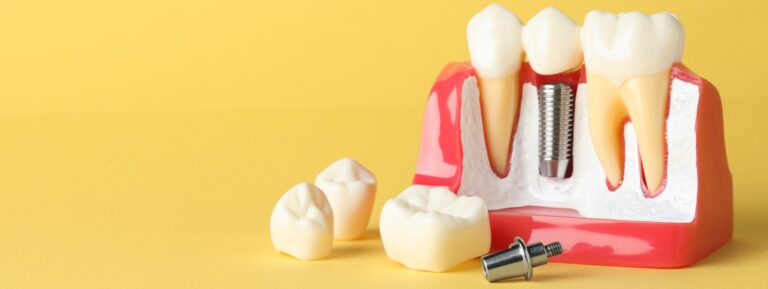
Dental implants are small titanium screws that act as artificial roots. Dentists place them directly into the jawbone. These implants provide a base for attaching fixed or removable prosthetic teeth. This structure helps patients regain function after tooth loss.
Support for Tooth Replacement Options
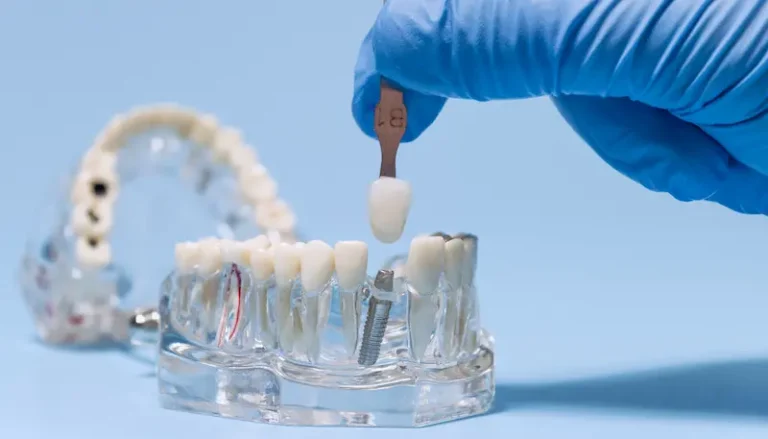
Implants can support a single crown, a fixed implant bridge, or implant-supported dentures. They are essential in modern implant treatment, especially for patients missing several teeth or an entire arch. Options like implant-retained overdentures or fixed complete dentures rely on strong implant placement.
Preserving Bone and Oral Health
When a tooth is lost, the jawbone beneath it starts to shrink. Dental implants stimulate the bone, preserving volume and preventing bone loss. This helps maintain the shape of the face and supports soft tissue in both the upper jaw and lower jaw.
Designed for Stability and Function
Implants are securely attached to the bone and can handle natural biting forces. Whether supporting a removable overdenture or a fixed prosthesis, implants offer more stability than traditional dentures or temporary dentures.
A Key Part of Long-Term Dental Care
Dental implants improve oral health, patient satisfaction, and overall life outcomes. They reduce the need for bone grafting later and make fixed restoration more predictable. For edentulous patients or those with several missing teeth, implants provide durable and effective support.
What Are Overdentures?
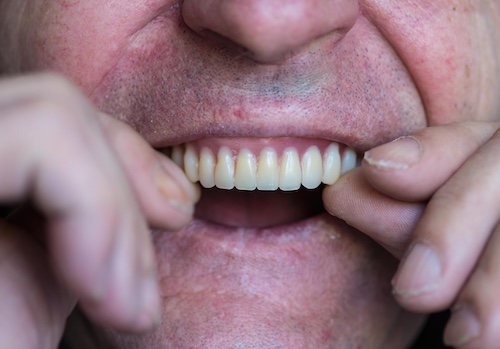
Overdentures are removable prosthetic teeth that attach to dental implants. They offer more stability than traditional dentures and are often used for patients missing all or most of their teeth.
Removable but Secure
Overdentures are designed to be taken out for cleaning. They stay in place during daily use by attaching to implants through locator attachments or a metal bar. This gives better stability than conventional dentures.
Fewer Implants Required
Most overdentures use only two implants in the lower jaw or a few more implants in the upper jaw. This makes the treatment more affordable while still offering improved function and comfort.
Types of Overdentures
There are two main types. Implant-retained overdentures rely on implant abutments to hold the denture in place. Implant-supported overdentures distribute biting forces across several implants, offering more support and less movement.
Better Than Traditional Dentures
Compared to a traditional denture, an overdenture offers improved chewing, speaking, and overall fit. It avoids common issues like slipping and discomfort, especially for edentulous patients with a full arch of missing teeth.
Ideal for Many Patients
Overdentures are often the first step for patients who want better results than what conventional dentures provide. They can improve oral health-related quality, reduce soft tissue irritation, and support better long-term outcomes.
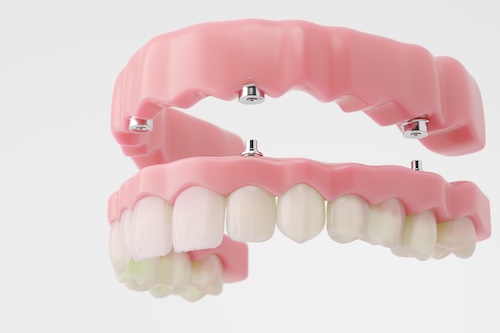
What Are Fixed Implant Bridges?
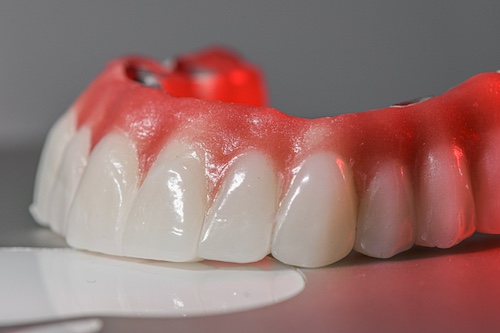
Fixed implant bridges are non-removable prosthetic teeth that attach to several dental implants. They are often used to replace an entire arch of missing teeth with strong, stable results.
Permanently Secured to Implants
Fixed implant bridges are securely attached to implant abutments. They do not need to be removed for cleaning. This makes them feel and function more like natural teeth.
More Implants, More Stability
These bridges usually require four implants or more per arch. This provides solid support for the entire prosthesis. The fixed design spreads biting forces evenly across the jaw.
No Movement, No Slipping
Unlike removable overdentures, fixed bridges do not shift or move. This improves patient satisfaction and allows for better speech, chewing, and comfort. The final restoration stays in place at all times.
Suited for Full-Arch Tooth Replacement
Fixed implant-supported bridges are ideal for patients missing all their teeth in the upper jaw or lower jaw. They offer better long-term support than traditional dentures or temporary dentures.
High Function, Low Maintenance
Once placed, fixed implant bridges need only routine oral hygiene. Patients can clean around the implants with floss threaders or water flossers. There is no denture tray to remove or soak.
A Long-Term Tooth Replacement Option
Fixed implant bridges help maintain bone volume and support soft tissue. For patients with enough bone or those willing to consider bone grafting, this option offers lasting function and improved oral health.
Overdentures vs Fixed Implants: A Side-by-Side Comparison
Overdentures and fixed implant bridges both use dental implants to replace missing teeth. The right choice depends on your goals, budget, and oral health condition.
Type of Restoration
Overdentures are removable. Patients take them out for daily cleaning. Fixed implant bridges are permanently secured. They stay in place and function like natural teeth.
Number of Implants Needed
Overdentures often use fewer implants. Most lower overdentures are supported by only two implants. Fixed bridges require several implants, usually four or more per arch, to stay stable.
Daily Maintenance
Overdentures must be removed and cleaned daily. They also need regular adjustments. Fixed implant bridges require brushing and flossing, often with floss threaders, but no removal is needed.
Comfort and Function
Fixed implant bridges offer stronger biting forces and better stability. Overdentures improve comfort compared to traditional dentures, but may still move slightly during eating or speaking.
Cost and Treatment Planning
Overdentures are less expensive. They involve fewer implants and often no bone grafting. Fixed implant supported prostheses cost more due to more implants and more complex planning.
Appearance and Feel
Fixed bridges look and feel more like natural teeth. There is no acrylic palate tray. Overdentures may include a denture tray that covers more of the gums and the roof of the mouth.
Best Use Cases
Overdentures are a good fit for edentulous patients who want a removable solution with better stability. Fixed implant bridges are better for those who want a full arch fixed restoration and are ready for a longer treatment process.
Key Considerations When Choosing a Tooth Replacement Option
Choosing between overdentures and fixed implant bridges depends on several personal and clinical factors. Understanding these helps patients make informed decisions about their dental implant treatment.
Bone Volume and Jaw Health
Adequate bone volume is important for implant placement. Patients with reduced bone may need bone grafting before receiving several implants. The upper jaw often needs more support than the lower jaw because the bone is softer.
Budget and Long-Term Value
Overdentures usually cost less because they use fewer implants. Fixed implant bridges are a higher investment but provide lasting stability and comfort. Many patients find the long-term value of fixed restoration worth the higher cost.
Comfort and Maintenance
Overdentures are easier to clean because they can be removed. Fixed implant-supported prostheses stay in the mouth and require regular brushing and flossing around implant abutments. Maintenance depends on the patient’s routine and preference.
Function and Lifestyle
Fixed bridges provide stronger biting forces and a more natural feel. Overdentures improve comfort compared to traditional dentures but may offer slightly less stability. Both improve patient satisfaction and daily function.
Oral Health and Soft Tissue Condition
Healthy gums and soft tissue help support implants. Good oral hygiene lowers the risk of infection and improves implant longevity. Patients must be committed to ongoing oral health care after treatment.
Aesthetic and Practical Goals
Some patients prefer a removable option that feels less permanent. Others want a fixed prosthesis that looks and acts like natural teeth. Treatment planning should consider comfort, function, and final restoration goals.
Why Implant-Supported Dentures from The Foleck Center Are Different
The Foleck Center provides implant-supported dentures using advanced technology and proven methods. Patients in Norfolk receive care that focuses on long-term results and comfort.
Focused on Patient Needs
Each treatment plan is based on the patient’s goals, bone condition, and oral health. Whether choosing implant-supported overdentures or fixed implant bridges, the care is specific and clear.
Experienced with Full-Arch Restorations
The Foleck Center has experience treating edentulous patients and those missing several teeth. Solutions include fixed complete dentures and removable overdentures supported by implants.
Advanced Imaging and Planning
The team uses digital imaging, CBCT scans, and planning software to guide implant placement. This improves accuracy and reduces the risk of complications during surgery.
Options for All Jaw Types
Patients with limited bone in the upper jaw or lower jaw receive options like bone grafting or implant placement in dense areas. Implant-supported prostheses are designed for long-term function.
Strong Local Reputation
The Foleck Center serves Norfolk and nearby areas with consistent care. Many patients report high satisfaction with their implant treatment and life outcomes.
Clear Follow-Up and Maintenance
Patients receive instructions on how to care for their implant-supported dentures. The team also helps with maintenance visits and adjustments to keep the restoration secure and comfortable.
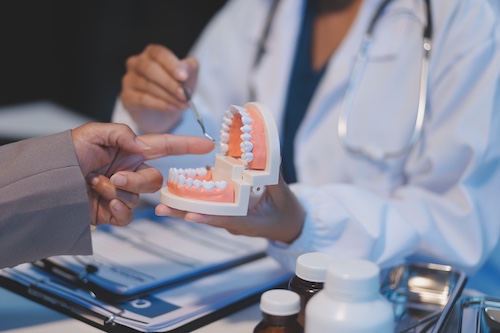
Restore Your Smile with Dental Implants at The Foleck Center!
If you are dealing with missing teeth, slipping dentures, or discomfort when eating or speaking, dental implants can provide a stable and long-lasting solution. Our team at The Foleck Center in Norfolk offers both implant-supported dentures and fixed implant bridges, giving you options that fit your lifestyle and oral health goals.
Contact us at 800-800-8000 to schedule an appointment with us today!